Original source: here.
By: Linda Roberts
Across Canada, glaucoma is widely considered the “silent sight thief” because its symptoms often don’t manifest until irreversible damage has already been done. Currently, it’s the leading cause of preventable blindness, affecting around 450,000 Canadians. Glaucoma is actually a group of eye diseases, but they all impair vision when ocular pressure builds up and damages the optic nerves. Although virtually anyone can develop glaucoma, it’s more common among older adults, with most cases reported in individuals over 40.
Because glaucoma is progressive, many people turn to surgery. There are several surgical procedures for glaucoma, including laser trabeculoplasty, trabeculectomy, drainage implants, and laser peripheral iridotomy. While these procedures can prevent any future vision loss, they will require you to take a new approach to your workout routine – at least temporarily. If you’ve just had glaucoma surgery and been given the all-clear to resume exercise by your doctor, here are some tips to keep in mind.
Wear protective sunglasses
Glaucoma surgery is considered an invasive operation, so your eyes will naturally be more vulnerable within the first few months. As such, it’s recommended that you wear protective sunglasses that can prevent debris from entering the eyes. Since glaucoma also makes the eyes more photosensitive, you may want to go the extra mile and use polarized sunglasses. Eyewear provider Eyebuydirect illustrates that polarized coatings can prevent annoying, vision-obscuring glare from reaching the eyes. If you exercise next to reflective surfaces, like a mirror in a studio or a body of water outdoors, these sunglasses can help promote visual acuity and comfort. Should you need vision correction, your prescriptions can also be added to the lenses, so you don’t need to worry about further straining your eyes.
Keep your eye drops handy
Apart from surgery, eye drops are also a very common method of treating glaucoma. These drops help regulate interocular eye pressure, ensuring the glaucoma doesn’t progress. Depending on your doctor’s recommendation, you may be asked to continue to use these to help recovery. Apart from glaucoma eye drops, you may be asked to use other drop variants that can help reduce the risk of swelling and infections. Since these must be administered on a strict schedule, just like any other medication, make sure to bring them with you as you work out. If it’s been approved by your physician, you may also want to use artificial tears, which are widely available from retailers like Walgreens or Shoppers. Since these help to lubricate the eyes, you’re less likely to experience dry eyes, which may happen if you’re working out somewhere cold.
Be intentional with your exercise
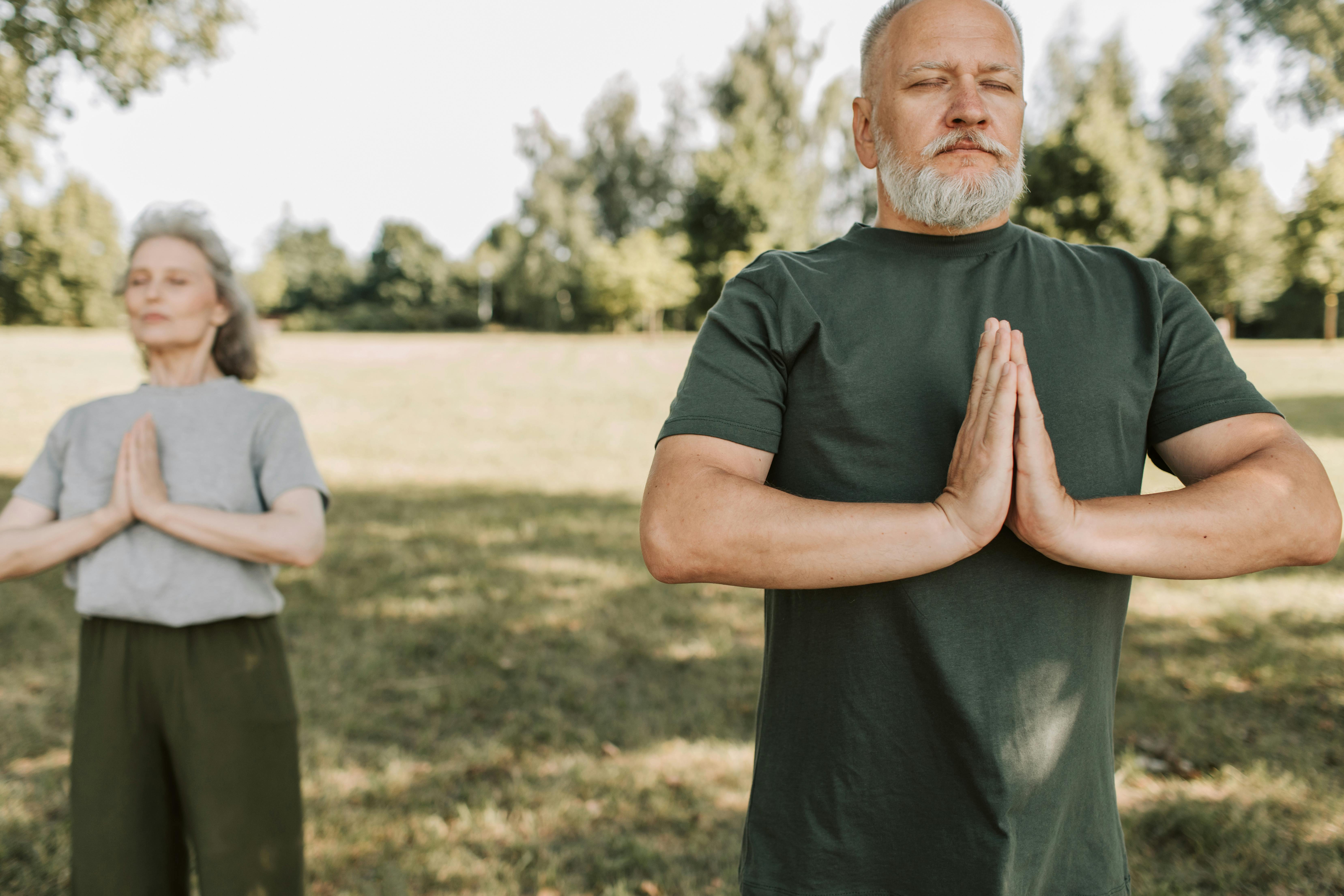
It’s easy to get swept up in the rhythm of a workout, but after surgery, it’s important to be mindful of what your body can take. Post-glaucoma surgery means avoiding workouts that expose your eyes to foreign elements, like swimming. Aside from this, you want to avoid workouts that may increase pressure on your eye area. This means avoiding lifting too heavy or staying in positions where your head is down. Instead, look into exercise programs that can help reduce high blood pressure. For example, handgrip training has been shown to lower blood pressure by up to 15 mmHg. If you’re not sure where to start with your program, you can always approach a professional who can craft one for you with your health and lifestyle goals in mind.