By: John Cunningham
In today’s fast-paced world, preparing for emergencies and maintaining good physical health go hand in hand. Whether you’re at the gym, on a hiking trail, or simply going about your daily routines, the unexpected can happen. Consequently, it’s important to be well-equipped with essential medical supplies, a task made easier when you use a reliable medical supply store online. This blend of fitness preparedness and having the right medical gear can be the difference between a minor hiccup and a major emergency.
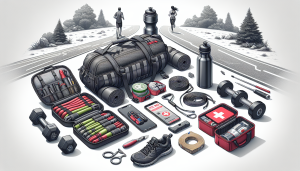
Bridging Fitness and Emergency Preparedness: Essential Gear for your Workout
Blending fitness with emergency preparedness starts by selecting the right equipment. For example, resistance bands not only boost your workout by improving strength and flexibility but can also be used to stabilize a limb in a pinch. Similarly, portable first aid kits, lightweight and compact, should find a home in every gym bag. These kits often include items like blister plasters and bandages – basic but essential for immediate care.
Learning to properly utilize medical supplies, such as a tourniquet, which is simple, compact, and can save a life by controlling severe bleeding, is an invaluable skill.
Additionally, incorporating a robust hydration system, such as a collapsible water bottle or hydration bladder, ensures that you stay properly hydrated during workouts or in the event of an emergency. Dehydration can impair your mental and physical performance, thus having efficient and accessible means to maintain hydration levels is crucial. It’s also beneficial to have a multifunctional tool which can act as a piece of workout equipment, like a kettlebell, but is also useful in an emergency scenario to help create a makeshift shelter or can be used for self-defense.
From the Gym to the Battlefield: How Training and Medical Supplies Save Lives
Physical fitness and emergency readiness share common ground: both demand resilience, preparation, and a proactive approach. Consider a runner with the endurance to perform CPR until professional help arrives, or a hiker whose strength allows them to carry an injured companion to safety. In these scenarios, having access to and knowledge of medical supplies like chest seals and hemostatic agents can turn a dire situation into a manageable one. It’s these real-life stories, like a marathon runner who applied a makeshift tourniquet to an accident victim, that highlight the profound impact of being prepared.
Training with simulations and drills that replicate high-stress situations can further enhance one’s ability to stay calm and effective during a real-life emergency. These exercises can improve decision-making skills and reduce panic, enabling individuals to use their medical supplies more efficiently. Adopting a well-thought-out fitness regimen that includes aspects such as high-intensity interval training, or HIIT, can mimic the adrenaline rush and the need for swift, decisive action similar to that required in emergency situations.
Nutrition Tips for Rapid Recovery: Fueling your Body after an Unexpected Injury
Recovery from an injury doesn’t end with medical treatment; nutrition also plays a crucial role. Foods rich in protein, vitamins A and C, and zinc support wound healing and bolster the immune system. Similarly, staying hydrated aids in the body’s overall recovery process. While supplements can provide a convenient boost, focusing on a balanced diet filled with fruits, vegetables, lean proteins, and whole grains ensures a foundation for rapid recovery. Remember, a well-nourished body heals faster and more efficiently.
It’s also advantageous to have easy-to-digest energy-rich snacks included in your emergency kit, such as energy bars or dried fruit. These not only serve as a quick source of nutrition during recovery but can also provide an essential energy boost during prolonged rescue situations where food may not be readily available. Balancing macronutrients and maintaining adequate calorie intake is critical when the body is in a state of healing or when you need to sustain physical exertion over a lengthier period.
The Role of Physical Fitness in Surviving Emergencies
Regular exercise not only contributes to general well-being but also enhances your ability to handle emergencies. A well-rounded fitness routine that includes components of endurance, strength, and flexibility prepares your body to respond more effectively when faced with unexpected situations.
Stories abound of individuals whose lives were saved due to their fitness levels, from swimmers who have rescued drowning victims to individuals who have escaped fires by climbing to safety. Such accounts underscore the value of fitness beyond aesthetics or general health, highlighting its role in survival.
Building your Emergency Fitness Kit: Essentials for Health and Safety
Creating an emergency fitness kit is a proactive step towards ensuring you’re prepared, whether at the gym, outdoors, or at home. Essentials include first aid supplies, like bandages, antiseptics, and specific items such as tourniquets and chest seals for more severe injuries.
While physical fitness can significantly increase your chances of surviving and thriving after emergencies, coupling it with the right medical supplies and knowledge can make all the difference.