If you have fatty liver, you know the lifestyle/dietary changes you need to make, roughly speaking. But when it comes to supplements for fatty liver, there are so many out there. How many actually work? How many claim to work, but are unproven? How many don’t actually work, yet are often included in fatty liver formulas? We’ll cover all that and more in this article.
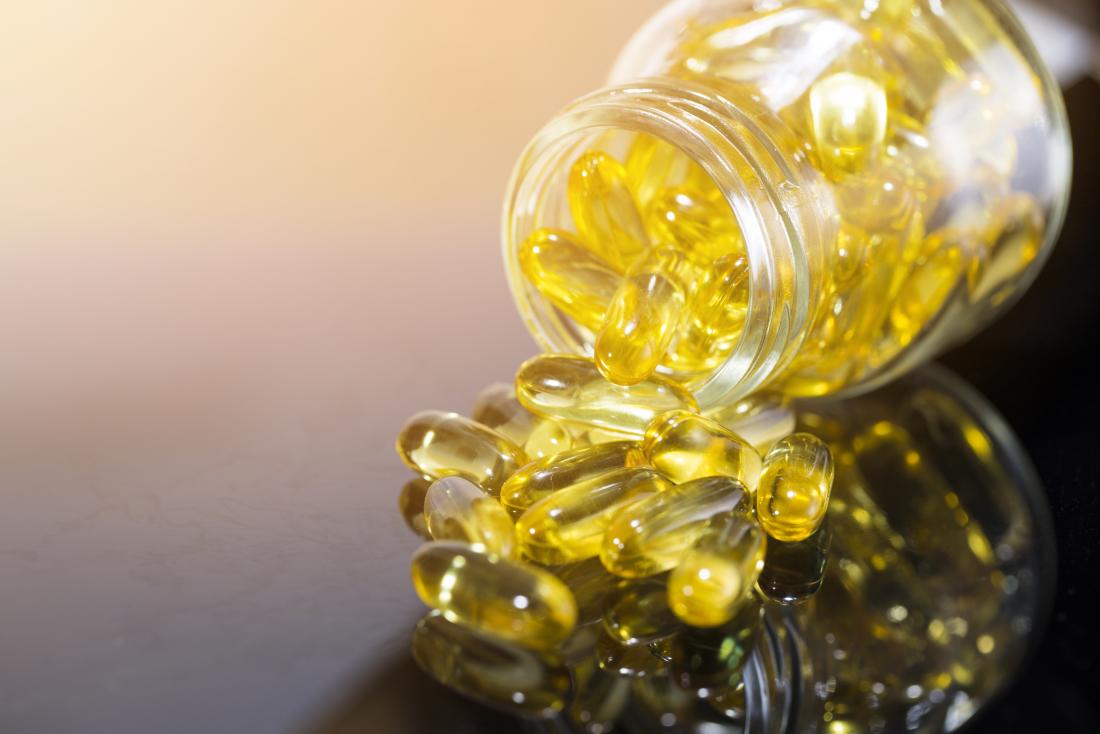
Original source: here.
You’ll be glad to know that this might be one of the very few articles you read on the topic that doesn’t actually sell supplements. So there’s no inherent conflict of interest.
But before we jump in, who am I to even be writing about this? Allow me to introduce myself.
My name is Igor. Hiya.
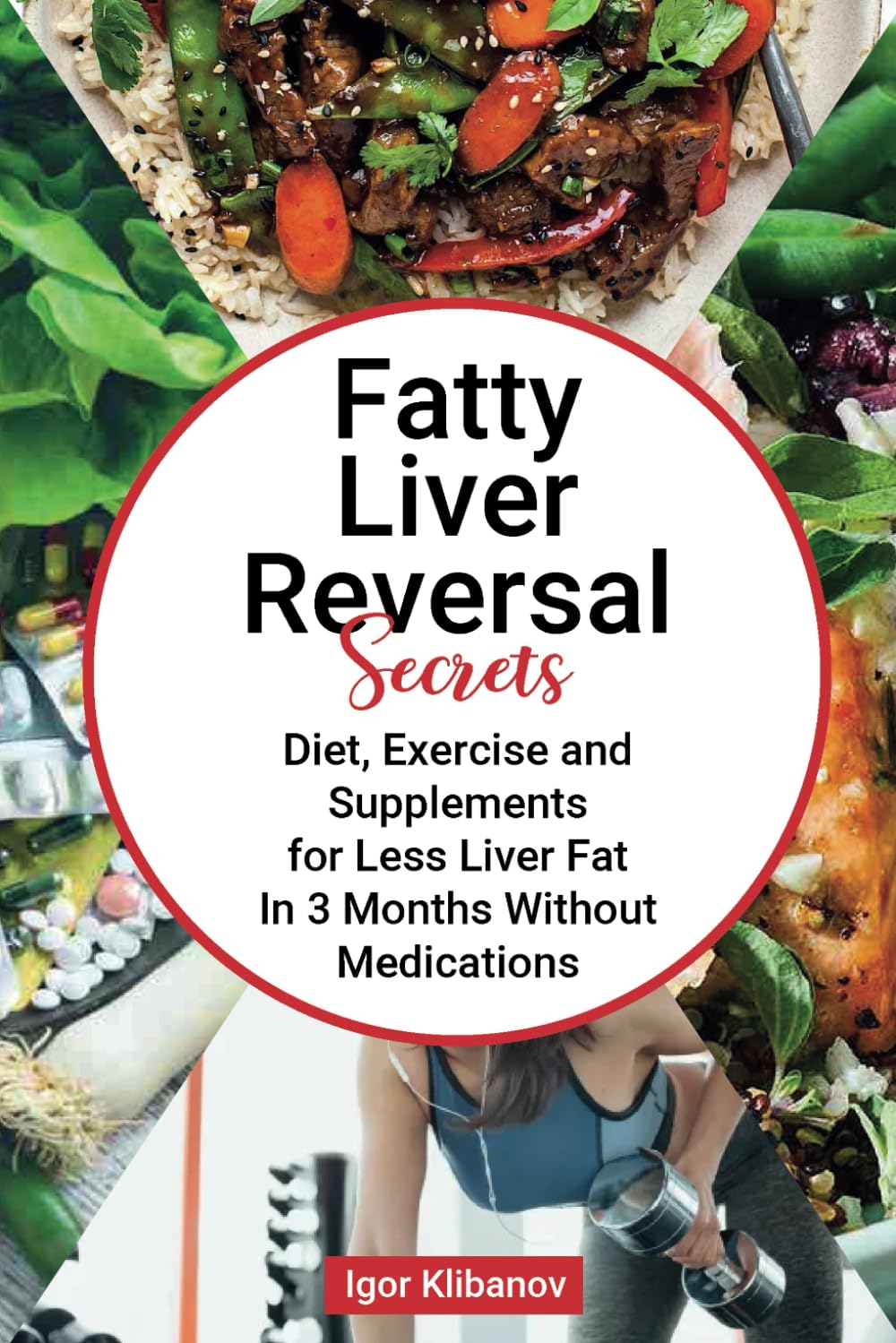
I’m the author of the Amazon bestselling book, Fatty Liver Reversal Secrets. As well, I’ve been a personal trainer since 2006, and I run an online personal training company, that helps people reverse their fatty liver disease.
In this article, here’s what you can expect to learn:
- What is nonalcoholic fatty liver disease (NAFLD)?
- What causes it?
- How it’s diagnosed
- The only 4 supplements for fatty liver that have been proven effective
- Supplements that are claimed to be effective, but are either unproven or disproven
What is Nonalcoholic Fatty Liver Disease (NAFLD)?
Nowadays, NAFLD has a new name: metabolic dysfunction-associated steatotic liver disease (MASLD). But because the term NAFLD has been used for decades, and MASLD hasn’t caught on yet, we’ll stick with that.
Anyways, back to the question at hand – what is NAFLD? It’s a liver disease, caused by a problem in metabolism. We often think of metabolism as the number of calories burned, but more broadly speaking, the actual meaning of “metabolism” is simply the speed of chemical reactions in the body.
The reason that it’s a disease is because the body can’t process the fat coming into the liver, so it accumulates. It’s not just a matter of obesity, because there are plenty of obese people without NAFLD. Fatty liver is a problem in the metabolism of dietary fat (again, using the broad definition of “metabolism”).
What Causes Fatty Liver?
Now that you know what it is, what are the reasons you have it? Is it nature or nurture? Really, it’s both. Genetics certainly do play a role, because we are genetically programmed with the ability to burn dietary fat. But for people with fatty liver, there’s a defect in this ability, so dietary fat (especially saturated fat) accumulates.
Besides genes, other factors are:
- Obesity
- Insulin resistance
- Excess consumption of saturated fat
- Rapid weight loss
There’s a saying that “genes load the gun, but environment pulls the trigger.” In other words, you might have the genes for fatty liver, but if you don’t “pull the trigger” (you don’t have the necessary environment for fatty liver to turn into a disease), you won’t get fatty liver.
How NAFLD is Diagnosed
The different diagnostics help explain a lot of the misconceptions around supplements for fatty liver. In my book, I devote an entire chapter to diagnostics, but here’s the short version.
The gold standard diagnostic for fatty liver is a biopsy. The way it’s done is a doctor uses a needle to take a very thin slice of your liver and looks at it under a microscope.
There are a bunch of other ways of diagnosing fatty liver, and one of the most common is liver enzymes (like AST, ALT and GGT). All they tell you is that something is wrong with the liver. But they don’t specifically say that it’s wrong due to fatty liver. There are a bunch of things that can go wrong with the liver, and a common mistaken assumption is that if these enzymes are high, it’s definitively fatty liver. But it’s far from definitive.
One study showed that 57% of people with fatty liver have normal ALT levels, and 53% of people with fatty liver had normal GGT levels (AST was not studied in this case). Another study found that 44.2% of people with elevated liver enzymes don’t have fatty liver. That’s because there are other reasons for elevated enzymes besides fatty liver.
Another common diagnostic is a liver ultrasound. It’s better than enzymes, but not as good as a liver biopsy.
One study showed that an ultrasound identifies 84.8% of people with a fatty liver correctly (it also means that 15.2% of people with fatty liver will be missed by the ultrasound). Also, about 6.4% of people who don’t have fatty liver will be falsely diagnosed with fatty liver based on the ultrasound results. But that’s for moderate-to-severe fatty liver.
When it comes to mild fatty liver, it’s not much better than blood tests. One study showed that in cases of mild fatty liver, an ultrasound detects only 53.3-66.6% of cases. In other words, 33.4-46.7% of people with mild fatty liver won’t be detected.
Hopefully, you can see where this is headed – if you use the wrong diagnostics to assess the impact of supplements, you might get the wrong picture of which supplements actually work, and which ones don’t.
The Fatty Liver Reversal Diet/Lifestyle
There has been plenty written about the right diet/lifestyle that will reverse NAFLD, but the only 5 nutritional factors that do so to a significant extent are:
- Total calories
- Fiber intake
- The saturated fat content of the diet
- The sugar content of the diet
- Protein
If you want the full story, it’s in my book, but you came here looking for information on supplements, so that’s where we’ll spend the majority of our time. However, I thought that an article on fatty liver wouldn’t be complete without at least a mention of lifestyle.
Oh, and if you’re wondering “what about” (fill in the blank):
- Intermittent fasting
- Dietary omega 3
- The glycemic index/glycemic load
- Fructose
- Coffee
- Yogurt/fermented foods
The answer is that they barely make a dent, if at all. That’s the short version of the story. The full story is in my book, but again, this article is about supplements, not a deep-dive on diet.
The Only 4 Supplements for Fatty Liver That Have Been Proven Effective
Fish Oil
Is there anything fish oil doesn’t do? I sing its praises both in my cholesterol and arthritis books, and now I’m going to sing its praises here too.
One meta-analysis found a general reduction in liver fat of 4.34% (that’s a lot). This is almost on par with the reductions seen from strength training. And all you have to do is take some fish oil.
I do want to make an important distinction though. A lot of people use the terms “fish oil” and “omega-3” interchangeably, as if they’re the same thing. They are not. They’re closely related, but not the same. The 2 main types of fat in fish oil supplements are:
- EPA (eicosapentaenoic acid)
- DHA (docosahexaenoic acid)
There is a third fat that is considered an omega-3 fat, but is not a fish oil, which is ALA (alpha lipoic acid). The research is quite clear that fish oil is effective. The research on ALA, however, is inconclusive.
How it works (it’s about to get geeky. Skip this part if you don’t want the in-depth science):
- Fish oil increases fat burning (oxidation) specifically in the liver.
- It improves insulin sensitivity.
- It reduces inflammation.
Vitamin E
In one meta-analysis, vitamin E supplementation reduced liver fat by 5.02%. Another meta-analysis also showed impressive reductions in liver enzymes from vitamin E supplementation.
How it Works:
- Vitamin E is an antioxidant, so it reduced free radicals. Free radicals cause fats in the body to go “rancid”. Vitamin E prevents this “rancidity”.
- Vitamin E is anti-inflammatory.
- Vitamin E improves insulin sensitivity.
Curcumin/Turmeric
People often use the terms “curcumin” and “turmeric” interchangeably, but they’re not the same thing. So let’s clarify the difference. Turmeric is a food. Curcumin is one ingredient within that food. It makes up only about 2-5% of turmeric. So turmeric is a food, but curcumin is a supplement, that is extracted from turmeric.
In one study, 56 people with fatty liver were divided into 2 groups:
- Group 1: received curcumin
- Group 2: received a placebo
After 8 weeks:
- Group 1 reduced their liver fat by 10%
- Group 2 increased their liver fat by 1%
And that’s just one study, but representative of other research on curcumin.
How it works:
- It has antioxidant properties.
- It’s anti-inflammatory.
- Decreases fat formation (lipogenesis).
- Increases fat burning in the liver.
Artichoke Leaf Extract
Unfortunately, there’s only 1 study on artichoke leaf extract at this time. Ordinarily, if there’s just a single study, I’d put it in the unproven section. But this study had a large enough number of participants that it merited inclusion in the “effective” section.
In this study, 100 people with fatty liver were divided into 2 groups:
- Group 1: received artichoke leaf extract
- Group 2: received a placebo
After 8 weeks:
- 6% of the people in group 1 improved.
- Only 5% of the people in group 2 improved.
- 5% of people in group 2 actually worsened.
How it works:
- It has antioxidant properties. These specific antioxidants inhibit fat synthesis in the liver.
- It’s anti-inflammatory.
- Improves bile excretion. Bile is made largely of cholesterol (which is a fat-based molecule). If this stays in the liver (instead of going to the gallbladder), liver fat accumulates.
- Reduces triglycerides.
- Better blood flow to the liver.
Ineffective Supplements
Now you have a great selection of supplements that improve fatty liver. There are also 2 supplements said to improve fatty liver, but either don’t do so to a great extent, or don’t do so at all. That doesn’t mean they have no benefit for other reasons, but as far as fatty liver is concerned, they are proven ineffective (though that doesn’t stop a lot of supplement manufacturers from putting them into liver formulas, and claiming they work, despite evidence to the contrary).
Milk Thistle/Silymarin
In all my books, never have I struggled so hard with categorizing a supplement into one of the 3 categories as “effective”, “ineffective” and “unproven”. An argument can be made for all 3 categories. But after great struggle, I decided to put it into this category. Why?
One meta-analysis looked at various different studies on how milk thistle affects fatty liver.
While the results were mixed, the studies that used liver biopsies (remember that biopsies are the gold standard) found no improvements in fatty liver with milk thistle supplementation. Studies using less accurate diagnostics either found no results or slight results.
However, there are studies that evaluate the effects of milk thistle on liver enzymes. Most studies do indeed find a favorable effect. So what gives? Why the discrepancy between what we see with a biopsy and what we see with enzymes? As we know, enzymes are not specific to fatty liver. They are elevated in all kinds of liver problems besides fatty liver. So it looks like there’s a good chance that milk thistle is beneficial for other liver problems besides fatty liver.
I’ll also note that in my book, Type 2 Diabetes Reversal Secrets, milk thistle is one of the most effective supplements for type 2 diabetics. So I’d venture to say that if you have both fatty liver and type 2 diabetes, in all likelihood, milk thistle will help both. But if you have fatty liver and no diabetes, milk thistle is unlikely to help you.
Vitamin D
Vitamin D is often associated with all kinds of diseases. One of those is NAFLD. But does the fact that they’re associated mean that vitamin D deficiency causes fatty liver? Or have you considered that the relationship between the two may be the other way around – that fatty liver causes low vitamin D?
To figure out the direction of this relationship, you would need a study that takes people with both fatty liver and low vitamin D levels. You give them enough supplementation to bring their vitamin D levels to normal, and see what happens to their fatty liver. This research does indeed exist.
In one study, 65 adults with NAFLD (confirmed by biopsy) supplemented with 2,000 IU of vitamin D for 6 months. Yet, there were no improvements in liver fat.
A second study found the same thing – supplementation with vitamin D does not improve fatty liver.
Unproven Supplements
Very often, people confuse “unproven” with “disproven.” But they’re not the same. Disproven means “it doesn’t work.” But “unproven” means “we don’t know if it works”. Either studies haven’t been done, or the studies had methodological flaws that make conclusions about effectiveness very difficult to make.
Green Tea Extract
While it’s a darling in the world of supplements, when it comes to fatty liver, it’s still unproven. Remember – the best diagnostics for fatty liver are a liver biopsy, and a close second is an MRI. There’s not a single study using either of those diagnostics to show that green tea extract improves liver fat.
Probiotics
Probiotics are difficult to study. Some studies show effectiveness and others don’t. The reason that probiotics are difficult to study is because they are bacteria, and bacteria are living things. Different bacteria have different names (like lactobacillus acidophilus, bifidobacterium, saccharomyces, etc.). Different bacteria have different effects and different characteristics. The equivalent would be like studying dogs. There are Chihuahuas, Dachshunds, St. Bernards, shepherds, etc.
Other reasons that studies show mixed results from probiotics are:
- Different dosages.
- Some studies combine probiotics with other supplements.
- Some studies combine probiotics with lifestyle changes.
- Studies often look at enzymes or use less accurate diagnostics than biopsies and MRIs.
- The baseline levels of fatty liver.
In my book, PCOS Reversal Secrets (PCOS is polycystic ovarian syndrome. It’s a women’s condition, characterized by high testosterone, high insulin and/or multiple cysts on the ovaries), I explain how probiotics are one of the most effective supplements for PCOS. So if you have PCOS in addition to fatty liver, they’ll likely benefit you.
How they might work:
- Decreases intestinal permeability (in laymen’s terms: the gaps between the cells of the small intestine), which reduces inflammation.
- Decreases free radicals.
- May enhance insulin sensitivity.
Berberine
At the time of this writing, there are only 2 studies on berberine. One study combined berberine with lifestyle changes. We can’t make conclusions based on that. The other study only looked at one liver enzyme (ALT), trunk fat and total cholesterol – but not liver fat. So we don’t have much information to go on.
Berberine is indeed an effective supplement for type 2 diabetes, so my guess is that if you have both fatty liver and type 2 diabetes, it’ll likely be effective for both. But if you have just fatty liver and no diabetes, it’s not clear.
How it might work:
- Improves fat burning (fatty acid oxidation) in the liver.
- It’s anti-inflammatory.
- Improves insulin sensitivity.
- Reduces free radicals.
Coenzyme Q10 (CoQ10)
CoQ10 is one of my most frequently recommended supplements for high blood pressure, as well as overall heart health. But as for its effects on fatty liver, that’s not clear. There are less than a handful of studies evaluating its effects on the liver, but they mostly looked at liver enzymes. There’s only one study that directly looked at liver fat.
In that study, the researchers recruited people with NAFLD, and divided them into 2 groups:
- Group 1: placebo
- Group 2: CoQ10
After 12 weeks, the placebo group experienced no change, and the CoQ10 had a reduction of only 2.25%. Not very exciting.
N-Acetylcysteine (NAC)
At this time, there’s not a single study using accurate diagnostics to assess the effects of NAC supplementation on fatty liver in humans. Studies that use NAC either combine it with other supplements or use less accurate diagnostics to evaluate its effects. Having said that, it’s also one of my top supplements for PCOS.
How it might work:
- It helps increase one of the body’s innate antioxidants, glutathione.
- It’s anti-inflammatory.
- Might improve insulin sensitivity.
- Might decrease triglyceride accumulation in the liver.
Bottom Line
If you need more help with your joint pain, there are 3 ways I can help you:
- Buy my book on Amazon, Fatty Liver Reversal Secrets.
- If you want the best option, apply for 1-on-1 online personal training by filling out the application form on our home page. Filling it out doesn’t obligate you to anything. It’ll just schedule a quick, 10–15-minute zoom call with us. On this call, there’s no pressure, no hardcore sales pitch, and no obligation. It’s just a simple conversation to understand your situation, and how we can help your fatty liver with exercise, nutrition and supplements.